A science based guide to navigate not just growing, but thriving in a harsh prairie climate. We don’t plant, we solve!
The Prairie Problem Solver
Solutions to Common Problems in the Saskatchewan Garden
PROBLEM
IDENTIFICATION
SOLUTION
Winter Kill
Long, harsh winters combined with ice buildup, snow mold, and fluctuating temperatures
Patchy Brown Spots on Lawn
Lawn Matted with Dead Grass
Brown or Dead Branch Tips (Typically on One Side)
Delayed Bud Break
Dethatching
Core Aeration
Overseeding
Light Fertilization
High Alkaline Soils
Many Saskatchewan soils are naturally alkaline, which can limit nutrient availability
Yellowing Plants (Chlorosis)
Stunted or Weak Growth
Poor Flowering
Choose Native Plant Species
Incorporate Organic Matter
Targeted Fertilizer Amendments
Soil Compaction & Poor Structure
Heavy clay soils and foot traffic can lead to compaction, restricting root growth
Thin, Patchy Grass
Water Pooling or Runoff
Hard Soil
Core Aeration Regularly
Incorporate Organic Matter
Avoid Working Wet Soil
Consider Raised Beds
Wind & Sun Exposure
Sask. landscapes generally mean strong winds and intense sun, which can dry out soil and stress plants
Leaf Scorch
Bleached or Faded Leaves
Wilting Plants
Windbreaks such as Shrubs, Hedges, or Fencing
Group Plantings
Choose Native Plant Species
Dry Conditions & Drought Stress
Low rainfall and hot summers can quickly lead to dry, stressed lawns and gardens
Patchy Brown Spots on Lawn
Footprints Stay Visible
Leaf Curl
Leaf Drop
Deep Watering
Mulching
Choose Native Plant Species
Incorporate Organic Matter
The Low Maintenance Secret
Saskatchewan native plants aren’t just wildflowers—they’ve evolved over thousands of years to thrive in our climate, soils, and conditions. The result is a landscape that looks better and requires less maintenance.
Sustainability
Incorporating native plants helps restore natural ecosystems while reducing the need for chemical inputs.
Supports local habitats
Improves soil health over time
Reduces reliance on fertilizers and pesticides
Resilience
Native plants are built for prairie conditions—extreme temperatures, wind, and drought.
Require less watering once established
Tolerate Saskatchewan’s harsh climate
Lower long-term maintenance needs
Biodiversity
Native plantings support the entire local ecosystem, from pollinators to birds.
Provide nectar and pollen for bees and butterflies
Support native birds and wildlife
Essential for maintaining a healthy food web
Specialized Horticultural Consultations
Success in a prairie garden is 10% planting and 90% planning. Most landscape issues aren’t caused by a “black thumb”—they come down to a mismatch between plants and their environment. We take a science-based approach, analyzing your property’s soil, exposure, and growing conditions to identify exactly what’s holding your landscape back—and how to fix it.
Soil Texture & Compaction
We assess whether heavy clay or compacted soil is restricting root growth, drainage, and overall plant health.
Seasonal Stress & Winter Damage
We assess how winter conditions—freeze-thaw cycles, snow mold, and extended cold—impact your lawn and plant health, identifying areas prone to winter kill and slow spring recovery.
Soil Chemistry (pH & Nutrient Availability)
We evaluate soil alkalinity and nutrient balance to uncover “nutrient lockout”—when nutrients are present but unavailable to plants.
Microclimate (Sun, Wind & Exposure)
We identify wind exposure, heat reflection, and sun patterns across your property to determine what will truly thrive in each space.
Pest & Disease Identification
We move beyond generic treatments to identify the specific insects or diseases affecting your lawn and garden. We take care to ensure the health of beneficial insects.
With our Horticultural Consultation service you don't just get a conversation; you get a personalized, on-site assessment of your outdoor living space. A Garden Audit. We evaluate your property’s growing conditions with you, and give you a detailed PDF cheat sheet for future reference.
Stop Guessing and Book your Horticultural Consultation Today!
Below is a selection of some of our favourite native and cold-hardy plant species that grow in Saskatchewan. They are great additions to any Saskatchewan yard!
Let us help you with planning your yard so you can have beautiful flowers from May to October. There are many interesting and valuable species in Saskatchewan. Here are a few of our favorites that we are sure you and the Bees will love too!
Purple Prairie Clover (Dalea purpurea var. purpurea)
Goldenrod (Solidago sp.)
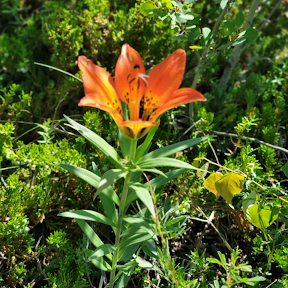
Western Red Lily (Lilium philadelphicum)
Blanket Flower (Gaillardia aristata)
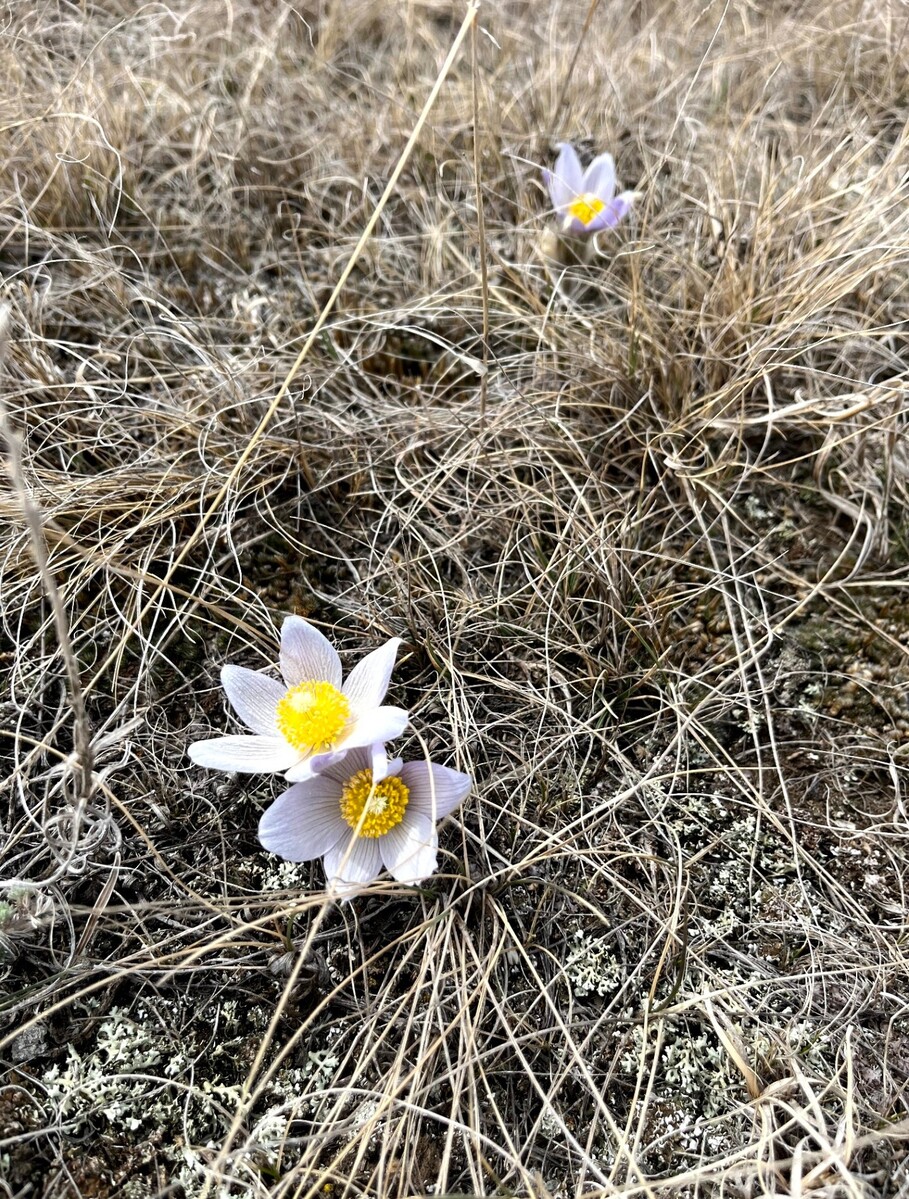
Prairie Crocus (Anemone patens var. multifida)
- Can take up to 7 years to bloom.
Black-eyed Susan (Rudbeckia hirta var. pulcherrima)
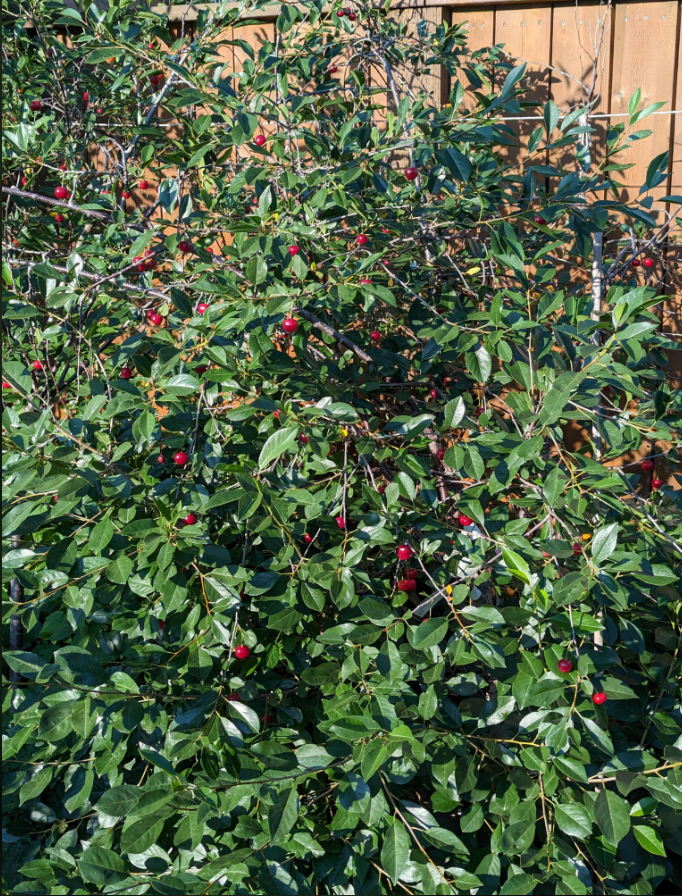
University of Saskatchewan Fruit Tree program has developed and improved many wonderful varieties of fruit bearing trees and shrubs for the prairies. They not only look great and perform well in your landscape, but they provide value to you and the local wildlife. Make your backyard an edible oasis! Here are some of our favourites varieties: